

What’s Fueling the Demand
Gaming laptops in 2024 aren’t just for gamers anymore they’re for creators, streamers, developers, and power users who need both performance and flexibility. A new wave of user demand is reshaping how manufacturers design their machines.
Power Meets Portability
Modern users want the best of both worlds:
High end GPUs and CPUs for serious work and play
Lightweight, travel ready builds
Minimal compromises on performance when away from a desk
Whether it’s editing videos, live streaming, or compiling code, today’s gaming laptops must do more than just run games smoothly.
The Rise of Hybrid Users
The definition of a gamer is evolving. Many users have multifaceted needs, making versatility a top priority.
Streamers want strong CPUs and fast I/O for real time encoding
Creators need color accurate screens and high RAM capacity
Coders prefer machines that are fast, quiet, and durable
These hybrid users are pushing manufacturers to deliver laptops that can pivot easily between play and productivity.
Power in a Portable Chassis
Gone are the days when raw power meant carrying a 10 pound brick. Thanks to advances in cooling, processor efficiency, and hardware engineering, it’s now possible to get desktop class specs in significantly thinner and lighter builds.
RTX 40 series GPUs and mobile Ryzen 9s or Intel i9s are now housed in sub 1 inch thick laptops
Many high performance machines weigh under 5 pounds
Custom vapor chamber cooling and dual fan systems maintain performance under pressure
It’s this intersection of power and portability that’s driving demand and changing what users expect from a “gaming laptop” in 2024.
Raw Performance: Who Brings the Heat
When it comes to gaming laptops, raw power is still the defining metric for serious gamers and creators. If your priority is triple A gaming at ultra settings or heavy duty creative workflows, here’s what’s powering the top machines in 2024.
Cutting Edge CPUs and GPUs
Top gaming laptops come equipped with the latest high performance components:
NVIDIA RTX 40 Series GPUs: Delivers major performance gains in ray tracing and DLSS 3, ideal for immersive gaming and AI enhanced rendering.
AMD Ryzen 9 Processors: Exceptional multi core performance for creators and multitaskers.
Intel Core i9 (13th and 14th Gen): Strong single core speeds and thermal balancing for gaming and editing.
Benchmarks That Actually Matter
Spec sheets mean little without real world performance. Focus on these metrics:
FPS (Frames Per Second): Smooth visuals at desired settings (1080p, QHD, or 4K).
Thermals: Low CPU/GPU temps under sustained loads mean better longevity and consistent speed.
Power Efficiency: A laptop that throttles under power limits won’t reach its full potential.
Cooling Innovations: Keeping the Heat in Check
High performance means high heat so cooling tech matters a lot.
Vapor Chamber Cooling: Offers broader heat distribution and quieter fans; found in flagship models.
Traditional Fan Setups: Cost efficient but often louder and less uniform in airflow.
Look for systems with intelligent fan curves, large vents, and thermal throttling controls.
Top Performance Picks
If you’re going all in on power, these machines lead the pack:
ASUS ROG Strix SCAR 18 RTX 4090, Intel i9 13980HX, top tier cooling and refresh rate.
MSI Titan GT77 HX A true desktop replacement with mechanical keyboard and massive thermal headroom.
Razer Blade 16 Balances design with cutting edge performance in a premium, portable frame.
Need help choosing the right beast for your playstyle and workload?
Explore our in depth gaming laptop guide
Ultra Portables: Strong But Light
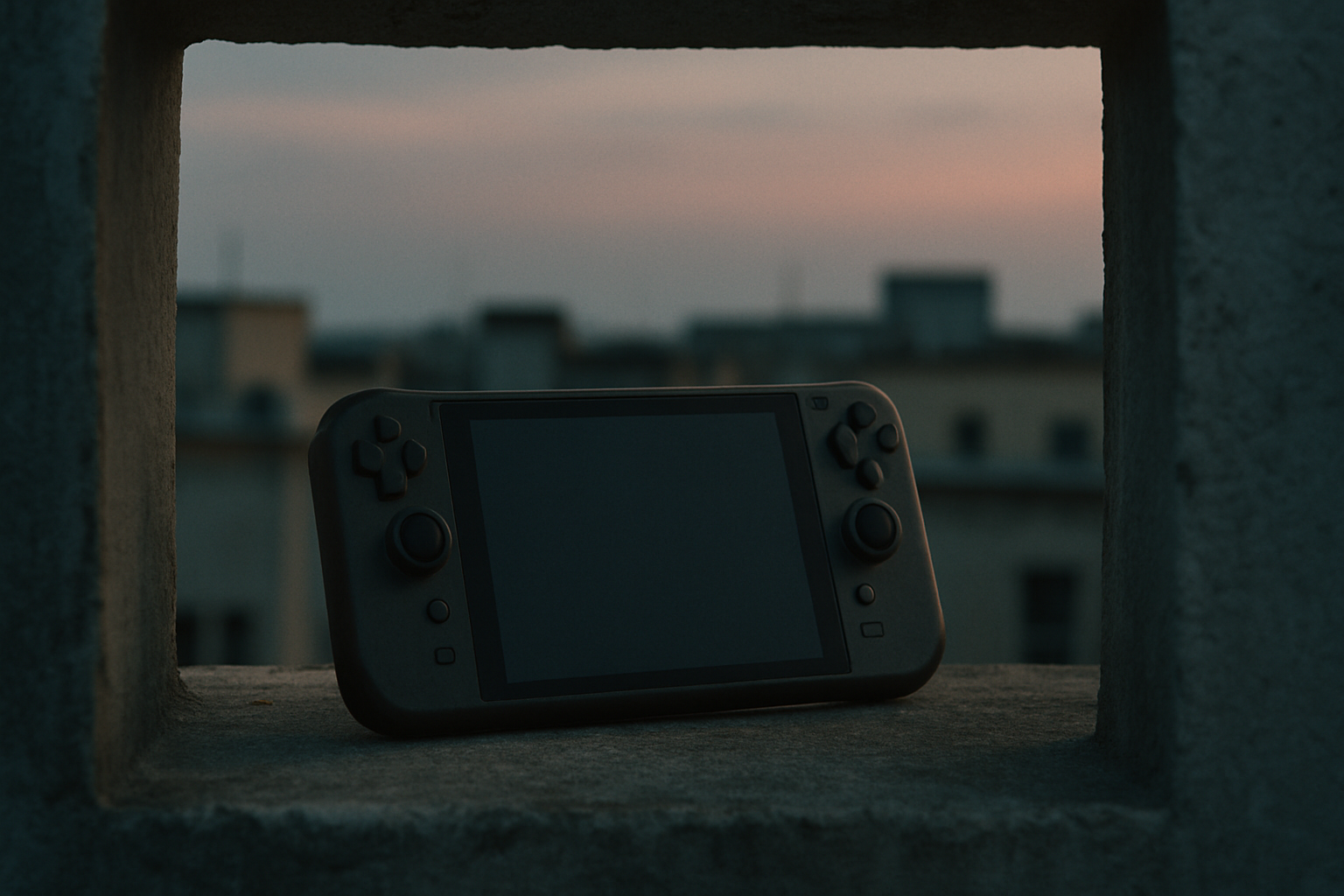
Lightweight doesn’t mean lightweight performance anymore. In 2024, we’re seeing sub 5 lb machines that can go toe to toe with bulkier rigs in raw power. Thanks to tighter integration of components and smarter thermal engineering, laptops like the Razer Blade 14 and ASUS ROG Zephyrus G14 are delivering smooth gameplay without the backache. These aren’t just travel friendly they’re battlestations that happen to fit in your messenger bag.
But every gram saved comes with a trade off. High refresh rate screens drain batteries quicker, while smaller batteries make long unplugged sessions harder to pull off. Choosing portability often means picking between all day battery or stutter free gameplay. Some models try to thread the needle with adaptive refresh tech or dual GPU switching, but there’s still no true win all.
That said, don’t sleep on these machines. Some thin and light entries are surprisingly durable, cool under pressure, and versatile enough to jump from virtual battlegrounds to video editing suites. For students, commuters, and digital nomads, these laptops hit the sweet spot: lean, powerful, and always ready to move.
Build, Display & Experience Matters
When it comes to gaming laptops, performance isn’t everything. The overall user experience how a machine feels, looks, and sounds can make or break your day to day satisfaction. Whether you’re gaming for hours, making digital art, or handling work on the go, these factors play a critical role.
Choosing the Right Screen Size
Your screen size affects your immersion, portability, and usability. Each size brings its own set of trade offs:
14” Screens
Best for portability
Ideal for frequent travelers and students
May feel cramped for long gaming sessions or creative work
16” Screens
The sweet spot: balance between portability and screen real estate
Suitable for both gamers and creators who value versatility
17” Screens
Designed for immersive play and multitasking
Heavier, bulkier more of a desktop replacement than a travel companion
Color Accuracy Matters (Especially for Creators)
If you’re a content creator, designer, or anyone who works with visuals, color accuracy goes beyond preference it’s essential.
Look for:
Near 100% sRGB or AdobeRGB coverage
Factory calibrated displays
IPS or OLED panels for richer contrast and wider viewing angles
Keyboard, Audio, and Chassis: Underrated but Crucial
Laptops are tactile machines; how they feel and sound affects usability far more than many folks anticipate.
Keyboard:
Seek full sized keys with good travel and responsive feedback
Backlit or RGB lighting helps for late night sessions
Audio:
Dual speakers with spatial sound can enhance both games and media consumption
Poor sound quality creates a disappointing experience, even on high end machines
Chassis Quality:
Metal builds offer better durability and thermal handling
Pay attention to hinge build frequent openings in plastic frames can lead to early wear
In the end, decision makers who weigh fit and finish alongside power will end up with machines they’re proud to own and happy to use.
Which One Wins (For You)?
If maxed out performance is your goal, don’t hold back. Go for the beast: high wattage CPUs, RTX 4080 or better GPUs, 32GB+ RAM, and aggressive cooling. But know this you’re not picking this machine up with one hand. And you’ll be tethered to power most of the day. Worth it if frame rates and render times are your bottom line.
If you’re chasing clean portability, look beyond the hype. Thin doesn’t always mean capable but some models get surprisingly close. Prioritize efficient chips, quality thermals, and strong battery life. Skip the RGB circus and look at real world performance. You’ll trade a few frames for freedom, but the payoff is mobility without misery.
Then there’s the middle path: balanced builds that deliver 80 90% of the power in a more compact or affordable package. These are workhorses, not show ponies. Great for users who want strong gaming and creative chops, but still commute or travel. Just be honest about what you’ll sacrifice and what you won’t.
For a full breakdown of specs and buyer priorities, see the complete gaming laptop guide

 Ask Mikeric Edwardsons how they got into gadget reviews and you'll probably get a longer answer than you expected. The short version: Mikeric started doing it, got genuinely hooked, and at some point realized they had accumulated enough hard-won knowledge that it would be a waste not to share it. So they started writing.
What makes Mikeric worth reading is that they skips the obvious stuff. Nobody needs another surface-level take on Gadget Reviews, Practical Tech Applications, Latest Tech Innovations. What readers actually want is the nuance — the part that only becomes clear after you've made a few mistakes and figured out why. That's the territory Mikeric operates in. The writing is direct, occasionally blunt, and always built around what's actually true rather than what sounds good in an article. They has little patience for filler, which means they's pieces tend to be denser with real information than the average post on the same subject.
Mikeric doesn't write to impress anyone. They writes because they has things to say that they genuinely thinks people should hear. That motivation — basic as it sounds — produces something noticeably different from content written for clicks or word count. Readers pick up on it. The comments on Mikeric's work tend to reflect that.
Ask Mikeric Edwardsons how they got into gadget reviews and you'll probably get a longer answer than you expected. The short version: Mikeric started doing it, got genuinely hooked, and at some point realized they had accumulated enough hard-won knowledge that it would be a waste not to share it. So they started writing.
What makes Mikeric worth reading is that they skips the obvious stuff. Nobody needs another surface-level take on Gadget Reviews, Practical Tech Applications, Latest Tech Innovations. What readers actually want is the nuance — the part that only becomes clear after you've made a few mistakes and figured out why. That's the territory Mikeric operates in. The writing is direct, occasionally blunt, and always built around what's actually true rather than what sounds good in an article. They has little patience for filler, which means they's pieces tend to be denser with real information than the average post on the same subject.
Mikeric doesn't write to impress anyone. They writes because they has things to say that they genuinely thinks people should hear. That motivation — basic as it sounds — produces something noticeably different from content written for clicks or word count. Readers pick up on it. The comments on Mikeric's work tend to reflect that.