Home Gets Smarter Quietly
The most impressive smart home tech in 2026 isn’t flashy it’s invisible. AI driven systems now learn your routines the way a close friend might. Lights dim before you ask. The thermostat adjusts when it senses you’re about to get home. Blinds open with the sunrise only on weekends, because weekdays, you’ve told it, are for sleeping in. It’s not about control panels anymore; it’s about your home anticipating needs before you notice them.
Voice assistants, once rigid, now adapt in real time. They adjust their tone, offer suggestions based on your mood, and even pivot tasks depending on what’s going on around you. Less robotic, more helpful, and far better listeners.
Sustainability isn’t optional either. Smart homes now cut waste without cutting corners. Appliances sync with energy grid demand to save power. Water systems optimize usage down to the minute. The result? Lower bills, smaller footprints, and zero daily hassle.
This tech doesn’t shout. It listens, learns, and just works quietly reshaping how we live, one subtle decision at a time.
Health Tech That’s Actually Useful
Health technology in 2026 is finally living up to the promise practical, personalized, and built into daily routines rather than just fitness goals.
Beyond Step Counting
Modern wearables now go far beyond daily steps and activity rings. The newest generation of devices provides:
Continuous glucose monitoring without the need for pricks or patches
Real time stress tracking based on heart rate variability and skin conductivity
Deep sleep analysis that offers actionable insights, not just data
These trackers are discreet, stylish, and incredibly accurate making health monitoring a natural part of everyday life.
Real Time Personal Health Dashboards
All that data? It doesn’t go unnoticed. Sophisticated apps now compile streams of health metrics into dynamic dashboards designed for easy interpretation.
Personalized wellness scores updated daily
Predictive health alerts based on biometric trends
Integration with diet, fitness, and mental health tools for a 360° view of wellbeing
These dashboards put users in control. It’s no longer just monitoring it’s guided self care.
At Home Diagnostics, Clinic Level Results
In 2026, routine health tests no longer require an appointment. Affordable diagnostic kits and connected tools bring clinical grade testing home.
Lab quality results from portable blood analyzers and swab kits
Telehealth integration for instant consultations if something looks off
Preventive insights that are tracked over time, not just assessed once a year
This shift has empowered consumers to catch issues earlier, make informed choices, and reduce unnecessary visits to the doctor redefining both accessibility and peace of mind.
Personal Mobility & Transportation
The way we move through our cities is fundamentally shifting. As urban populations grow and sustainability becomes non negotiable, consumer technology is delivering smarter, more efficient personal mobility solutions. In 2026, mobility tech isn’t just about getting from point A to B it’s about doing so seamlessly, sustainably, and conveniently.
Compact EVs for Urban Life
Compact electric vehicles have become the ideal solution for congested cities. Designed for efficiency, they’re easy to park, maintain, and charge.
Small footprint, big energy savings
Ideal for shorter commutes and dense traffic areas
Many now include built in smart assistants and crash avoidance AI
Autonomous Rides Now on Subscription
Forget ride hailing apps 2026 welcomes subscription based autonomous transportation. These services fit daily routines, not one off needs.
Monthly pricing for consistent, on demand access
AI mapped routes aligned with your calendar, errands, and work shifts
Reduced wait times, thanks to predictive demand algorithms
Micromobility Meets Integrated Transit
E scooters, smart bikes, and other micromobility options no longer operate in silo.
Public transport apps now integrate nearby micromobility options
One pass grants access to buses, scooters, subways, and bikes
Built in navigation suggests the fastest and greenest multimodal routes
Together, these advancements make daily movement simpler, more personalized, and increasingly eco friendly.
Smart Living: Energy, Security & Beyond
In 2026, the smartest homes aren’t flashy they’re efficient. Energy management systems are quietly doing the math behind the walls, shaving 30% or more off monthly utility bills. These systems learn your energy habits, optimize consumption in real time, and auto adjust to changing conditions. Lights dim when no one’s around, HVAC syncs with weather forecasts, and appliances run when rates are lowest.
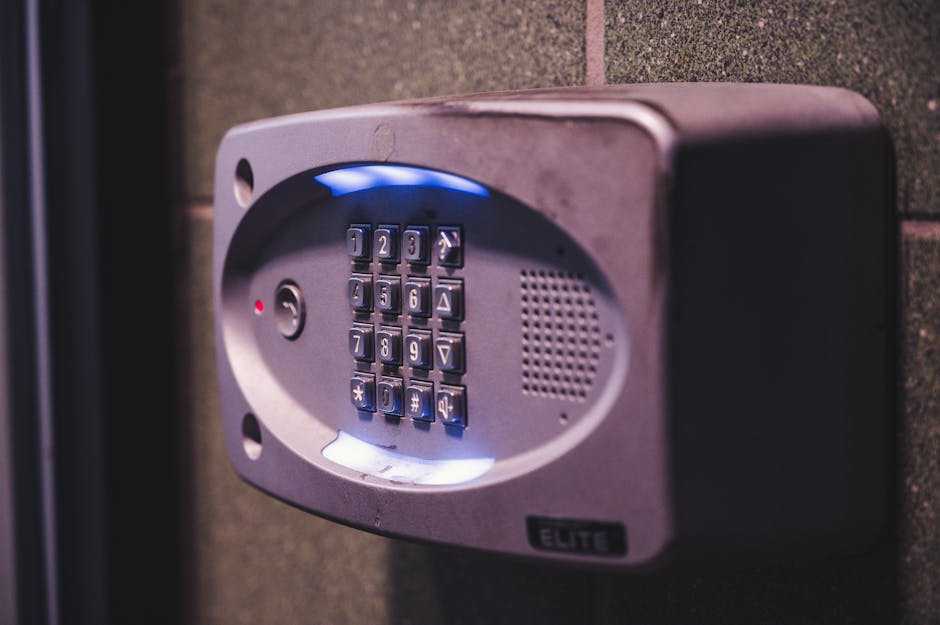
Security’s catching up, too. Traditional cameras and alarms aren’t cutting it anymore. Instead, homes are adopting systems that don’t just record break ins they anticipate them. Think motion tracking that flags unfamiliar patterns or entry points that lock down before something goes wrong.
On the sustainability front, what used to be luxury upgrades like gray water recycling or real time air purity sensors are now baked into baseline home design. Smart valves cut down water waste per use. Air quality tech filters out more than allergens; it adjusts your ventilation based on indoor activity and pollution levels.
Together, these systems are turning homes into low maintenance, high impact contributors to a more sustainable and secure daily life. Quietly smart, but seriously capable.
Seamless Digital Life Integration
Your devices finally get you or at least, they’re getting closer. In 2026, cross device syncing isn’t a gimmick, it’s the standard. Your TV knows what you watched during your morning treadmill session. Your earbuds pick up where your laptop left off. The playlist you started in the car follows you into the kitchen, without needing to fumble through apps or reconnect.
Personalization doesn’t stop at content either. Lighting, temperature, even notifications sync across your ecosystem depending on time of day and your schedule. It’s quiet, it’s efficient, and it learns fast. The friction’s gone.
Then there’s the AI concierge layer the brain behind the curtain. These aren’t just glorified reminder apps. Think of them more like context aware assistants. They sort your to dos, prioritize based on real time changes, and help you commit to what actually matters. No more juggling tabs or rewriting the same grocery list.
All told, your tech is no longer a bunch of separate tools. It’s one system that moves with you.
How 2024’s Breakthroughs Evolved into 2026 Life Upgrades
Two years ago, 2024 felt like the prototype phase for a lot of tech. AI models were just finding their footing in homes, wearable gadgets were testing limits beyond step counts, and energy tech was getting smarter but not necessarily user friendly. Fast forward to 2026, and those raw ideas have grown up.
Take ambient AI in the home. In 2024, you had to train it. Now, it trains itself adjusting lighting, climate, even grocery lists without manual input. Health diagnostics went from passive trackers to active indicators. Instead of flagging that you didn’t sleep well, your wearable now helps adjust your entire day to fix it.
If 2024 was about pushing the envelope, 2026 is about pulling it all together. The tech isn’t louder; it’s quieter. Less screen, more integration. Most important lesson? The best innovation doesn’t demand attention it just works.
For more on where it all started, check out: Emerging Technologies 2024
Not Just Cool Essential
Here’s the truth about consumer tech in 2026: it’s not about flash anymore. The smartest tools aren’t sitting on display shelves. They’re embedded in your daily flow, quietly shaving minutes off routines, reducing stress spikes, trimming bills, and keeping your health in check without shouting about it.
Gadgets that once impressed for novelty now have to justify their space. Time saving automation, real biometric feedback, seamless syncing across devices this is the new benchmark. If it’s not making life smoother or healthier, users are moving on.
What to watch moving forward? Expect rising demand for products that solve real friction: fewer menus, more intuition. More durable tech that adapts not just updates. And a major shift in consumer expectation: convenience isn’t optional, it’s assumed.

 Lorissa Ollvain writes the kind of practical tech applications content that people actually send to each other. Not because it's flashy or controversial, but because it's the sort of thing where you read it and immediately think of three people who need to see it. Lorissa has a talent for identifying the questions that a lot of people have but haven't quite figured out how to articulate yet — and then answering them properly.
They covers a lot of ground: Practical Tech Applications, Software Development Trends, Robotics and Automation Insights, and plenty of adjacent territory that doesn't always get treated with the same seriousness. The consistency across all of it is a certain kind of respect for the reader. Lorissa doesn't assume people are stupid, and they doesn't assume they know everything either. They writes for someone who is genuinely trying to figure something out — because that's usually who's actually reading. That assumption shapes everything from how they structures an explanation to how much background they includes before getting to the point.
Beyond the practical stuff, there's something in Lorissa's writing that reflects a real investment in the subject — not performed enthusiasm, but the kind of sustained interest that produces insight over time. They has been paying attention to practical tech applications long enough that they notices things a more casual observer would miss. That depth shows up in the work in ways that are hard to fake.
Lorissa Ollvain writes the kind of practical tech applications content that people actually send to each other. Not because it's flashy or controversial, but because it's the sort of thing where you read it and immediately think of three people who need to see it. Lorissa has a talent for identifying the questions that a lot of people have but haven't quite figured out how to articulate yet — and then answering them properly.
They covers a lot of ground: Practical Tech Applications, Software Development Trends, Robotics and Automation Insights, and plenty of adjacent territory that doesn't always get treated with the same seriousness. The consistency across all of it is a certain kind of respect for the reader. Lorissa doesn't assume people are stupid, and they doesn't assume they know everything either. They writes for someone who is genuinely trying to figure something out — because that's usually who's actually reading. That assumption shapes everything from how they structures an explanation to how much background they includes before getting to the point.
Beyond the practical stuff, there's something in Lorissa's writing that reflects a real investment in the subject — not performed enthusiasm, but the kind of sustained interest that produces insight over time. They has been paying attention to practical tech applications long enough that they notices things a more casual observer would miss. That depth shows up in the work in ways that are hard to fake.