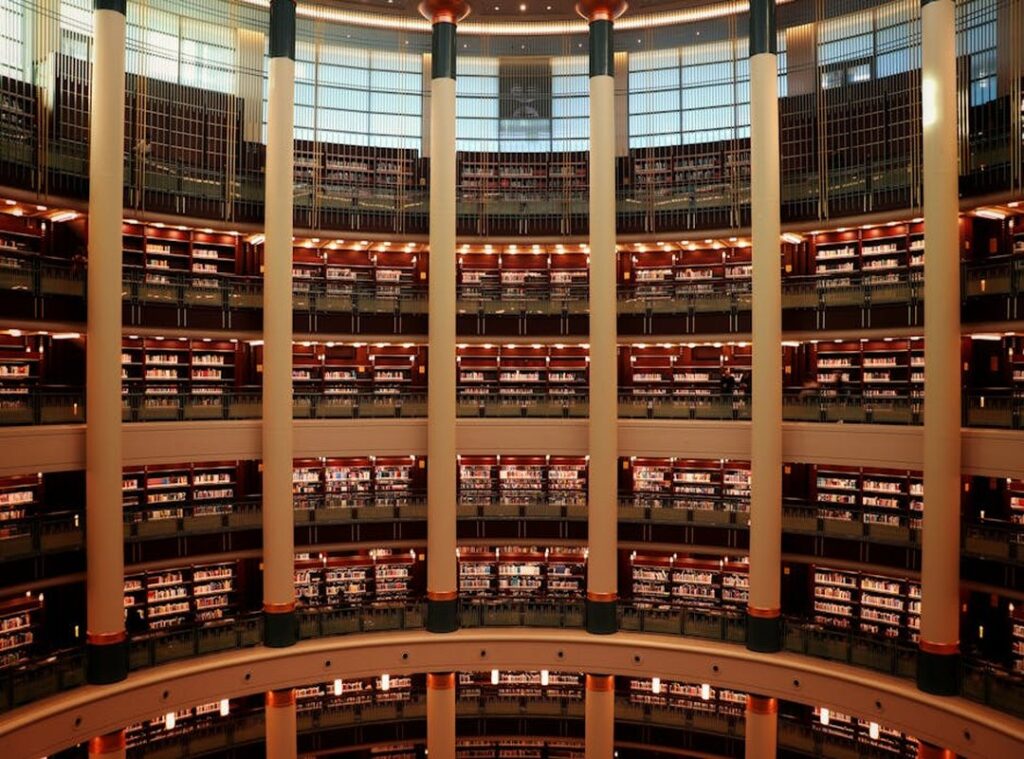
You’re standing in the Mark Library lobby. Phone in hand. Trying to find that one article your professor said was “just a click away.”
It’s not.
I’ve watched people scroll past the right database three times. Click the wrong link. Assume they don’t qualify for the free language app.
Give up before they hit the third menu.
Here’s what nobody tells you: Mark Library Flpsymbolcity isn’t just books and Wi-Fi. It’s local history archives. Free tech help from real humans.
E-books that check out instantly (no) waitlist. Even tools most staff forget exist.
I’ve spent years watching how people actually use this place. Not how the website says they should. Not how the brochures describe it.
But where they get stuck. Where they miss things. Where the system slowly blocks them.
The problem isn’t you. It’s the clutter. The outdated pages.
The buried links. The assumptions baked into every sign and search bar.
This guide cuts through that. No fluff. No jargon.
Just the direct path to what works.
You’ll know exactly where to go. And why it matters.
Every time.
What Counts as a Symbol City Library Resource?
I’ll cut to the chase: not everything with a library logo counts.
Flpsymbolcity is where you’ll find the official list (but) let me tell you what’s actually in the mix.
Physical collections: books, DVDs, board games. You can walk in and grab most of them. No card needed.
Unless you want to check out.
Research databases: JSTOR, Ancestry Library Edition. These require a library card. And yes.
You need to live in Symbol City to get one. (No, your cousin’s PO box in Oak Ridge doesn’t count.)
Local history archives? The Symbol City Oral History Project lives here. You can’t search it online.
You show up. Or book an appointment.
Public computers and tech lending: laptops, hotspots. Card required. Same residency rule.
Literacy programs: ESL, GED prep. Walk-ins welcome for orientation. But full enrollment?
Card needed.
Community space bookings: meeting rooms, study nooks. Reserve online. With your card.
What’s not included? Interlibrary loans from non-partner systems. Or Netflix.
Or Hulu. (Sorry.)
Mark Library Flpsymbolcity isn’t just a URL (it’s) the only place that tells you what’s real versus what’s rumor.
You ever tried booking a room without realizing your card expired?
Yeah. Don’t do that.
How to Actually Get Into Digital Resources. No Guesswork
I log in to the library portal every week. It’s not magic. It’s just typing your card number and PIN.
Click the Digital Resources tab. Not “E-Books.” Not “Research.” Digital Resources. That’s the one.
Pick a database. JSTOR. OverDrive.
ProQuest. They all ask for your card number and PIN again. Yes, again.
(It’s annoying. I know.)
Forgot your PIN? Go to “My Account” → “Reset PIN.” You’ll wait 15 minutes. Then you’ll need your photo ID.
Scanned or shown in person. No exceptions. (Librarians won’t budge on this.
And they’re right.)
Browser issues? Try Chrome or Firefox. Safari sometimes blocks the login pop-up.
Edge? Not reliable. Just don’t use it.
Expired card? You’ll get a blank screen. Not an error message.
That’s the worst kind of failure. Call them. Do it now.
Some databases only work inside city limits. Geo-restrictions are real. If you’re in Orlando and trying to access a Symbol City archive, it might say “Access Denied.” Not broken.
Just locked.
Look for the “Remote Access” badge next to resources. That means yes, you can use it from home.
See the tiny “Ask a Librarian” chat icon top-right? Click it. They answer in under two minutes.
Every time.
Use Libby for e-books. Enter Symbol City Library’s code: SCFL. Done.
Some archival PDFs won’t load on mobile. Open them on a laptop. Save yourself the headache.
And if you’re stuck on step three? You’re probably typing “Mark Library Flpsymbolcity” into Google instead of the portal search bar. Don’t do that.
Symbol City Archives: Where Paper Still Rules
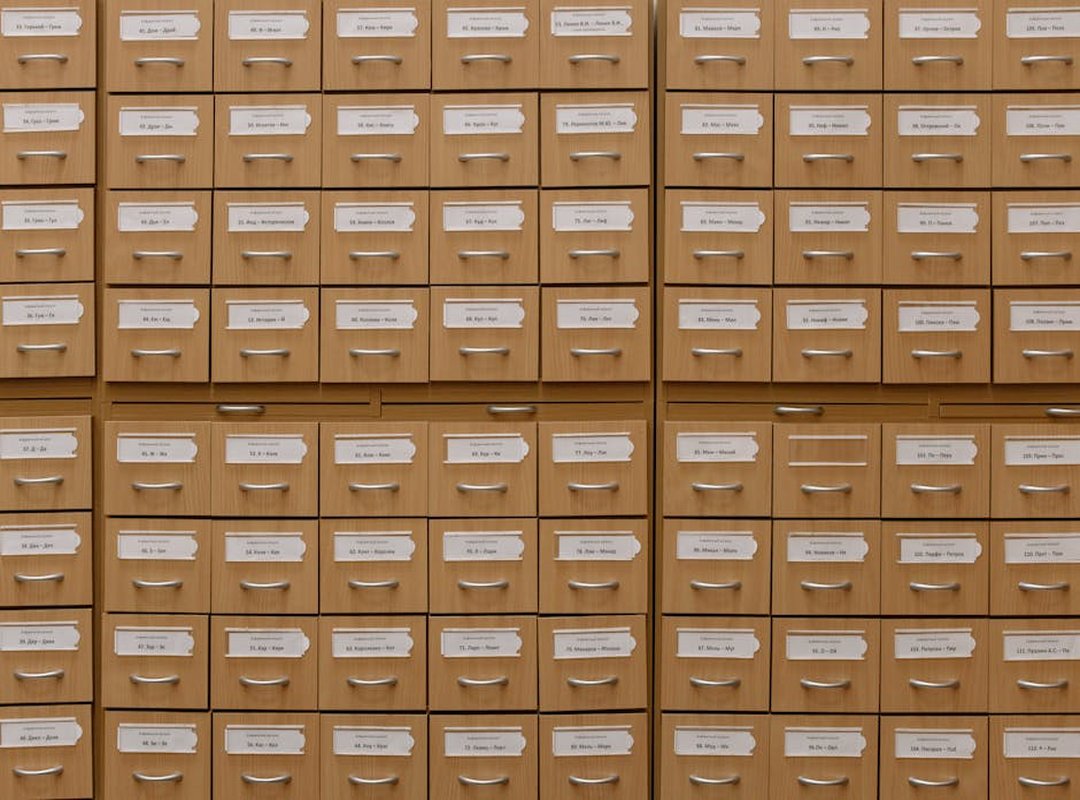
I walk into the Mark Library Flpsymbolcity building every Tuesday. The Archives Room is on the third floor. You need an appointment.
No walk-ins. Hours are 9 a.m. to 4 p.m., Monday through Friday.
No pens allowed. Pencils only. Cameras?
Yes. But only with staff approval. And you hold documents with two hands.
Always.
Want digitized city council minutes from 1978 (1985?) Fill out the request form at the desk. Turnaround is usually 5. 7 business days. Not instant.
Not magic.
Most people assume everything’s online. It’s not. Only about 35% of holdings are digitized.
I wrote more about this in Free Marks Flpsymbolcity.
I checked the stats last month. The rest lives in acid-free boxes. And you need staff help to find it.
Three tools get requested constantly but used way too little:
- The Sanborn Fire Insurance Maps collection (they show building footprints down to the window count)
- The Neighborhood Development Timeline wall (touchscreen, zoomable, weirdly addictive)
You’ll waste hours if you skip talking to the archivists first.
The Free marks flpsymbolcity guide helps prep (but) it won’t replace showing up early and asking questions.
Come ready to slow down. Paper doesn’t load faster than your phone. It just tells truer stories.
Free Tech Help That Actually Works
I used to think library tech support meant waiting in line for someone to say “Have you tried turning it off and on again?”
It’s not like that here.
Hotspots check out for 3 weeks. No renewals. No extensions.
Just three weeks of real internet. Enough to get through a class, land a job, or fix your busted home connection.
Laptops? You can’t take them home. Four hours.
In-library only. And yes, you’ll need to show up early (especially) on Mondays.
VR headsets? Appointment only. Age 14+.
No exceptions. (The last time I saw a 12-year-old try to argue their way in, the librarian didn’t blink.)
Tech help desk is walk-in: Mon. Sat. No booking.
No waitlist. Just show up (and) yes, they’ll help you with your iPhone, your resume PDF, and why Zoom keeps muting you mid-sentence.
Virtual tutoring? Book it 24 hours ahead. Via Zoom.
Same staff. Same patience.
Digital Literacy Circles happen monthly. Seniors only. No jargon.
No rush. Just real talk about email, text scams, and how to spot a fake Facebook friend request.
Resume Lab fixes your formatting. And checks if your resume will even pass an ATS scan. Free.
Maker Space Open Hours include 3D printing, button-making, embroidery machines. All free. Orientation required.
(Yes, they make you watch a 12-minute video. Worth it.)
No hotspot waitlist. Laptops? Same-day front-desk waitlist only.
Mark Library Flpsymbolcity runs this. Not some outsourced call center.
And if you’re looking for local branding resources, check out the Logo listings flpsymbolcity.
Your Symbol City Library Is Waiting
I’ve seen it a dozen times. People walk past the library. They scroll past the website.
They assume it’s just books and quiet rooms.
It’s not.
Mark Library Flpsymbolcity gives you Ancestry Library Edition. Resume Lab. Free online classes.
Streaming films. Research databases. All free.
No sign-up fees. No credit card. No waiting for a physical card to arrive.
Register online. Takes under three minutes. Then click “activate” (and) you’re in.
You don’t need to learn everything today. Just pick one thing. Ancestry.
Resume Lab. A language course. Use it before Friday.
That’s your only job.
Why wait for permission? You already qualify. You live here.
That’s all it takes.
Most people never try. Because they think access is hard. It’s not.
It’s just hidden behind a button they haven’t clicked.
So click it.
Go register now. Activate your account. Open that first database.
Your library isn’t just a building. It’s your most versatile, no-cost tool for learning, connecting, and growing in Symbol City.

 Ask Mikeric Edwardsons how they got into gadget reviews and you'll probably get a longer answer than you expected. The short version: Mikeric started doing it, got genuinely hooked, and at some point realized they had accumulated enough hard-won knowledge that it would be a waste not to share it. So they started writing.
What makes Mikeric worth reading is that they skips the obvious stuff. Nobody needs another surface-level take on Gadget Reviews, Practical Tech Applications, Latest Tech Innovations. What readers actually want is the nuance — the part that only becomes clear after you've made a few mistakes and figured out why. That's the territory Mikeric operates in. The writing is direct, occasionally blunt, and always built around what's actually true rather than what sounds good in an article. They has little patience for filler, which means they's pieces tend to be denser with real information than the average post on the same subject.
Mikeric doesn't write to impress anyone. They writes because they has things to say that they genuinely thinks people should hear. That motivation — basic as it sounds — produces something noticeably different from content written for clicks or word count. Readers pick up on it. The comments on Mikeric's work tend to reflect that.
Ask Mikeric Edwardsons how they got into gadget reviews and you'll probably get a longer answer than you expected. The short version: Mikeric started doing it, got genuinely hooked, and at some point realized they had accumulated enough hard-won knowledge that it would be a waste not to share it. So they started writing.
What makes Mikeric worth reading is that they skips the obvious stuff. Nobody needs another surface-level take on Gadget Reviews, Practical Tech Applications, Latest Tech Innovations. What readers actually want is the nuance — the part that only becomes clear after you've made a few mistakes and figured out why. That's the territory Mikeric operates in. The writing is direct, occasionally blunt, and always built around what's actually true rather than what sounds good in an article. They has little patience for filler, which means they's pieces tend to be denser with real information than the average post on the same subject.
Mikeric doesn't write to impress anyone. They writes because they has things to say that they genuinely thinks people should hear. That motivation — basic as it sounds — produces something noticeably different from content written for clicks or word count. Readers pick up on it. The comments on Mikeric's work tend to reflect that.