
You’re in the middle of a quest or crafting recipe, and you need that one last item—the Red Bromeliad in Dreamlight Valley. It’s frustrating, right? You’ve searched high and low, but it’s nowhere to be found.
This guide is here to solve that exact problem. I’ll show you the precise location, the best foraging strategies, and all the important uses for the Red Bromeliad.
Finding this flower is actually pretty easy once you know exactly where to look and what to do. The Red Bromeliad is a foraged flower found in a specific, later-game biome. Trust me, with this guide, you’ll have it in no time.
What Exactly is the Red Bromeliad?
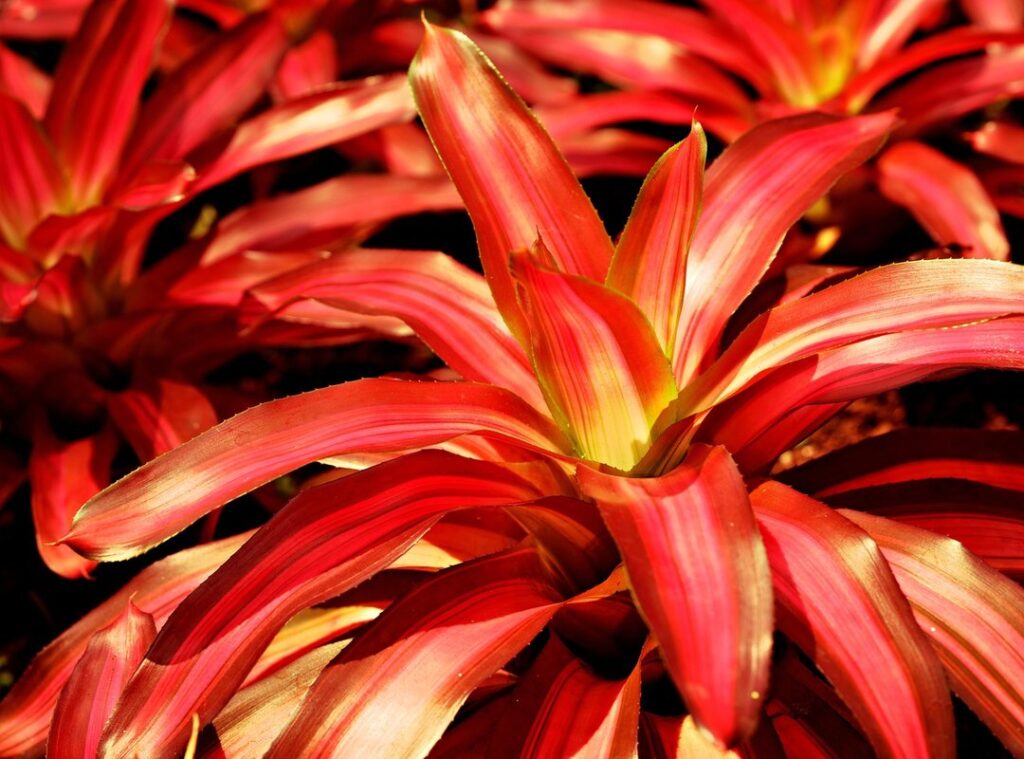
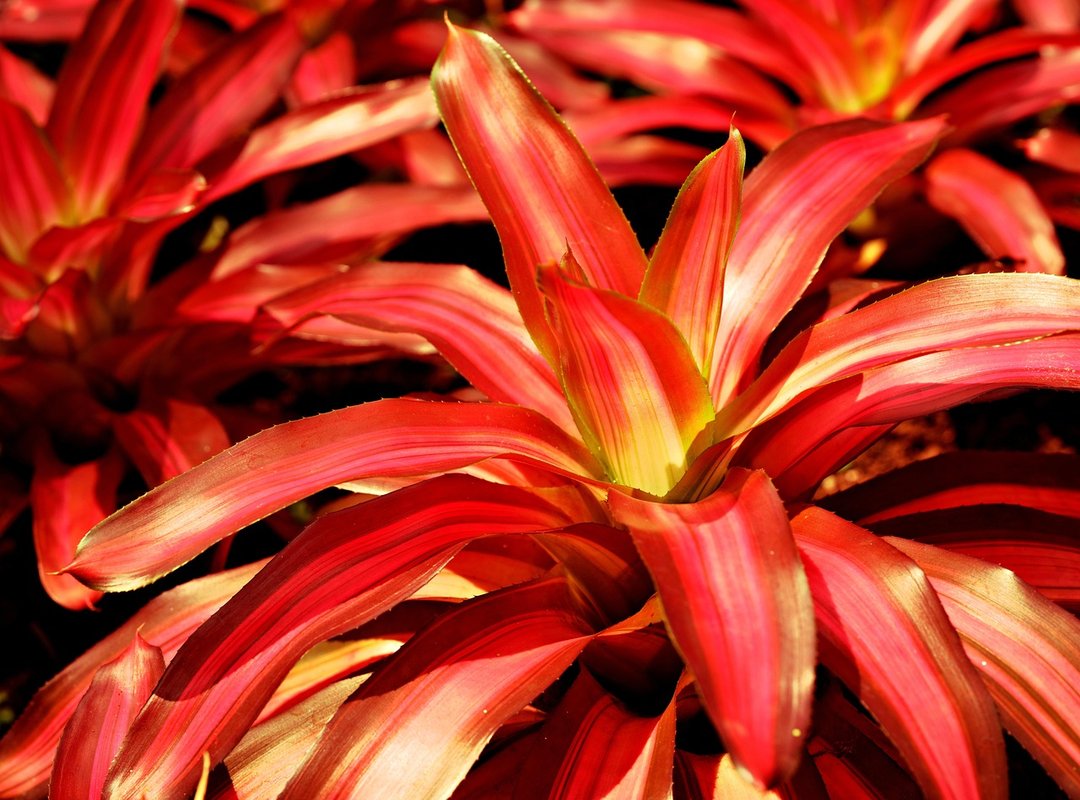
The Red Bromeliad is a foraged flower item in the game. It’s a vibrant, spiky red flower that grows low to the ground, making it easy to spot against the biome’s terrain.
You can sell it at Goofy’s Stall for 27 Star Coins. If you decide to eat it, it restores a small amount of energy. But let’s be real, who eats flowers in a game?
(Unless you’re into that sort of thing.)
In the game’s collection menu, you’ll find it under Foraging -> Flowers. This helps you track your progress and see how many you’ve collected so far.
Like other flowers in the game, its primary purpose is for crafting and gifting. Think of it like the perfect gift in Parks and Recreation—it’s not about the value, but the thought behind it. So, while you might be tempted to sell or eat the red bromeliad dreamlight valley, it’s better used to make someone else’s day.
The Exact Location: Unlocking the Sunlit Plateau
The Red Bromeliad only spawns in one biome: the Sunlit Plateau. To get there, you’ll need to head west of the Plaza and clear the Night Thorns, which costs 7,000 Dreamlight.
Once you’re in, take a moment to soak it all in. The Sunlit Plateau is a vibrant, sun-drenched area with lush green grass and a gentle river flowing through it. You can almost feel the warmth on your skin and hear the soft rustle of leaves.
Red Bromeliads are most commonly found in the grassy areas near the river. They stand out with their bright red hues, making them easy to spot.
Across the bridge, you’ll find more of these beautiful plants. The air here feels a bit cooler, and the scenery changes slightly, but the Red Bromeliads still thrive.
You don’t need to unlock the second half of the Plateau (across the bone bridge) to find them. They spawn throughout the entire biome, so you can save your Dreamlight for other things. Gfxrobotection
While you’re there, keep an eye out for other flowers like the Orange Houseleek and Green Passion Lily. These add to the colorful tapestry of the Sunlit Plateau, making it a feast for the eyes.
Pro tip: Take your time and enjoy the sights and sounds. The red bromeliad dreamlight valley is a serene and beautiful place, and you might just discover more than you set out to find.
How to Efficiently Farm Red Bromeliads
Farming Red Bromeliads in the Sunlit Plateau can be a bit tricky, but with the right strategy, you can make it a lot easier. First, let’s talk about the spawning mechanics. There’s a set number of Red Bromeliads available in the Sunlit Plateau at any given time.
The estimated respawn time for these flowers after they are picked is around 24 hours. This helps you plan your foraging runs and come back when the flowers have respawned.
To maximize your chances, pick up all the flowers in the biome, not just the Red Bromeliads. This forces new flowers to spawn, increasing the likelihood of getting the one you need.
Here’s a tip: use the ‘furniture mode trick.’ Enter furniture mode to get a bird’s-eye view of the biome. This makes it easy to spot all flower spawns at once.
Bringing a villager with the Foraging Hangout Bonus can also help. They increase your chances of getting an extra Red Bromeliad with each pickup.
In red bromeliad dreamlight valley, these strategies can make a big difference. You’ll find yourself with more Red Bromeliads and less frustration.
Crafting Recipes and Uses for the Red Bromeliad
Red bromeliad dreamlight valley is a versatile and vibrant plant, essential in several crafting recipes. One such recipe is the Red and Yellow Flower Disk, which requires 2 Red Bromeliads, 1 Sunflower, and 1 Gold Bar. Another useful item, the Bromeliad and Marsh Milkweed Pot, can be crafted using 1 Red Bromeliad, 1 Marsh Milkweed, and 1 Copper Bar.
In quests, the Red Bromeliad plays a significant role. It’s often required in specific character friendship quests, enhancing your relationship with certain villagers. For main story quests, it’s also a valuable resource, making it a must-have in your inventory.
As a gift, the Red Bromeliad is well-liked by many villagers. Some characters, like Goofy and Minnie, particularly favor it, making it an excellent choice to boost your friendship levels.
To stay prepared, always keep a small stack of Red Bromeliads in a chest. This ensures you’re ready for any future quests or crafting needs that may arise.

 Ask Mikeric Edwardsons how they got into gadget reviews and you'll probably get a longer answer than you expected. The short version: Mikeric started doing it, got genuinely hooked, and at some point realized they had accumulated enough hard-won knowledge that it would be a waste not to share it. So they started writing.
What makes Mikeric worth reading is that they skips the obvious stuff. Nobody needs another surface-level take on Gadget Reviews, Practical Tech Applications, Latest Tech Innovations. What readers actually want is the nuance — the part that only becomes clear after you've made a few mistakes and figured out why. That's the territory Mikeric operates in. The writing is direct, occasionally blunt, and always built around what's actually true rather than what sounds good in an article. They has little patience for filler, which means they's pieces tend to be denser with real information than the average post on the same subject.
Mikeric doesn't write to impress anyone. They writes because they has things to say that they genuinely thinks people should hear. That motivation — basic as it sounds — produces something noticeably different from content written for clicks or word count. Readers pick up on it. The comments on Mikeric's work tend to reflect that.
Ask Mikeric Edwardsons how they got into gadget reviews and you'll probably get a longer answer than you expected. The short version: Mikeric started doing it, got genuinely hooked, and at some point realized they had accumulated enough hard-won knowledge that it would be a waste not to share it. So they started writing.
What makes Mikeric worth reading is that they skips the obvious stuff. Nobody needs another surface-level take on Gadget Reviews, Practical Tech Applications, Latest Tech Innovations. What readers actually want is the nuance — the part that only becomes clear after you've made a few mistakes and figured out why. That's the territory Mikeric operates in. The writing is direct, occasionally blunt, and always built around what's actually true rather than what sounds good in an article. They has little patience for filler, which means they's pieces tend to be denser with real information than the average post on the same subject.
Mikeric doesn't write to impress anyone. They writes because they has things to say that they genuinely thinks people should hear. That motivation — basic as it sounds — produces something noticeably different from content written for clicks or word count. Readers pick up on it. The comments on Mikeric's work tend to reflect that.