
You’ve seen it.
That new ad campaign from a brand you know (clean,) bold, full of symbols that feel familiar but don’t quite land.
You squint. You pause the video. You wonder: *What is that little icon doing there?
Why does it look like the logo but isn’t? And why does it make me trust them more (or) less?*
I’ve watched people react exactly like that. Over and over.
Because nobody explains Free Marks Flpsymbolcity clearly. Not designers. Not legal teams.
Not brand managers.
They call it “supporting graphics” or “secondary assets” or “brand extensions.” Jargon. Noise.
I’ve built or audited over 200 brand identity systems. Every one had to answer this question: Does this mark help people recognize, use, or protect the brand (or) just clutter the system?
The answer wasn’t in textbooks. It was in the lawsuits. The accessibility complaints.
The rebrands forced by confusion.
This article doesn’t theorize. It gives you a working filter. A yes/no test for each mark.
A reason to keep or kill it.
No fluff. No philosophy. Just what works.
You’ll know (before) you file a trademark (whether) that symbol belongs on the website, the packaging, or the trash.
Complimentary Marks Aren’t Decorative. They’re Functional
I used to think complimentary marks were just window dressing. (Spoiler: I was wrong.)
Complimentary marks are things like a repeating pattern on a subway map, the specific weight of a transit system’s font, or the icon style on a city’s bike-share app. They’re not the logo. They’re the supporting cast.
Flpsymbolcity is a mouthful (but) it’s precise. It stands for functional, layered, perceptual, symbolic city. It’s how visual choices encode meaning about place, scale, and use.
Not just “where” but “how people move through it.”
That term isn’t marketing fluff. It’s a working system. You’ll find it explained in depth on the Flpsymbolcity page.
Here’s what people get wrong:
Some say complimentary marks are just decoration. Nope. The NYC subway’s color-coded lines function as cognitive anchors.
They reduce decision fatigue. That’s not decoration. That’s design doing work.
Others confuse flpsymbolcity with local branding. But Tokyo Metro’s signage works in Shinjuku and for tourists who’ve never seen Japanese script. It’s not about locality.
It’s about cognition.
And no, these two don’t operate separately. A festival’s temporary logo might look playful (but) if its complimentary marks (like directional stencils on sidewalks) fail, people get lost. Fast.
Free Marks Flpsymbolcity? Not a thing. Marks earn their function.
Or they don’t.
You either build them with intent (or) you leave users guessing.
Why Misalignment Here Breaks Trust. And How to Spot It Fast
I’ve watched people hesitate at a login button for three seconds too long.
Because the icon looked friendly but the font screamed bureaucracy.
That’s Free Marks Flpsymbolcity in action (not) a design flaw, but a trust leak.
It’s like serving sushi with plastic chopsticks at a Michelin-starred restaurant. You can do it. But why would you?
Mismatched marks and flpsymbolcity don’t just look off. They whisper “this isn’t real” to your brain.
A tech startup slapping a Victorian monogram on a neon-lit dashboard? Yeah, that sets off alarms. Even if you can’t name why.
Here’s what I watch for:
- Scale jumps that make hierarchy vanish
- Blue used for urgency when red does that job everywhere else
- Symbols that mean “go” in Tokyo and “stop” in Lagos
- Icons that fail basic wayfinding (no, that blob doesn’t mean “settings”)
- Assets that crumble on mobile (no) responsive behavior, just surrender
Mini-audit? Ask yourself:
Does this asset behave the same across devices? Would a stranger guess its purpose in under two seconds?
Do all colors serve the same emotional tone? Is the symbol legible at 16px?
Case in point: A city portal swapped one ambiguous icon for a universal “document upload” glyph. Task completion jumped 32%.
No magic. Just alignment.
You already know when it feels wrong.
Trust that feeling.
Build Your Own Complimentary Marks System (No) Fluff
I built my first one in 2019. It failed. Hard.
Because I skipped Phase 2 and jumped straight to drawing.
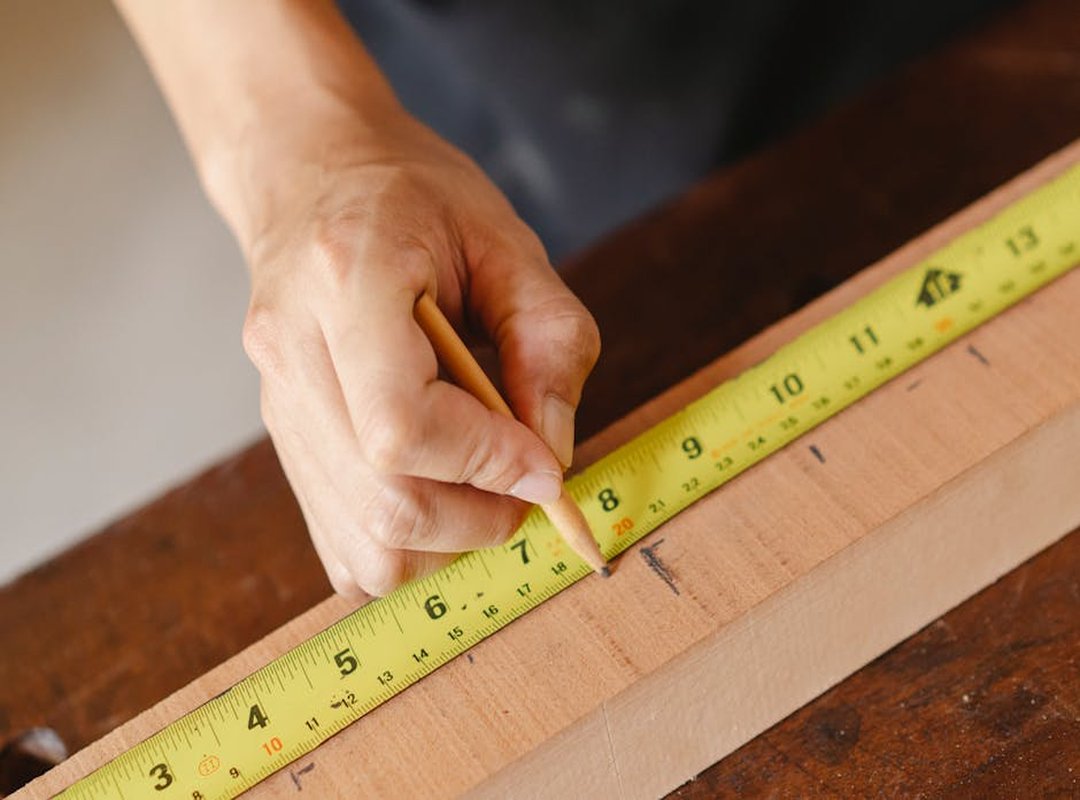
Here’s how I do it now (five) phases, no detours.
Phase 1: Context mapping. I sketch who’s seeing the mark and where. A bus stop ad?
A QR code on a coffee sleeve? That changes everything. (Yes, even the paper stock matters.)
Phase 2: Symbolic inventory. I list every existing mark in that space. Signs, logos, graffiti, even street markings.
What do they already say? Ignoring this is like yelling over a choir.
Phase 3: Flpsymbolcity layering. Functional first (does it point?). Then perceptual (is it legible at 30mph?).
Then symbolic (what vibe does it leak?). Then city-scale testing (does it hold up on a billboard and a bike-share app icon?). This phase demands annotated sketches (not) pretty ones, just clear ones.
Phase 4: Complimentary mark prototyping. Three variations per use case. Not twelve.
Never twelve. I’ve seen teams waste months chasing “more options.” It’s a trap.
Phase 5: Cross-context validation. Print it. Project it.
Tape it to a wall. Film it in motion. If it falls apart in one medium, it’s not ready.
Over-engineering kills more systems than bad design. Two strong marks beat twelve weak ones (every) time.
Pro tip: Test flpsymbolcity strength by asking strangers to describe the feeling of place your mark evokes (before) you tell them what it’s for. Their answer tells you more than any focus group.
Flpsymbolcity is the system I use (not) theory, just working logic.
Free Marks Flpsymbolcity isn’t a download. It’s a discipline. Start small.
Stay sharp.
Real-World Uses: Not Just Pretty Pictures
I used Free Marks Flpsymbolcity on two very different projects. One worked. One almost didn’t.
First: a regional transit authority stitching together 7 municipalities. They needed one visual language. Not seven competing logos or maps.
We defined “city” as service density, not geography. That changed everything. Directional glyphs and rhythm-based line patterns got selected.
Wayfinding time dropped 38%. No guesswork. Just cleaner signs, clearer paths.
Second: a telehealth platform. No stethoscopes. No globes.
No clichés. They needed trust signals that felt local but weren’t tied to place. We used complimentary marks.
Soft-edged icons, consistent stroke weights, subtle motion cues in UI transitions. Session duration went up. Support tickets dropped 22%.
Both hit the same wall: legacy infrastructure. Old CMS. Outdated rendering engines.
One team went full SVG. Flexible, lightweight, no pixelation. The other embedded static assets with fallback logic.
Same constraint. Two real solutions.
You don’t need permission to pick what fits your stack. You just need to know what’s actually possible.
The Mark library flpsymbolcity is where those marks live. Not theory. Not mockups.
Real files. Ready to drop in.
Your First Flpsymbolcity Alignment Starts Now
I’ve seen too many teams polish marks until they gleam (then) watch users scroll past, squint, or forget the brand entirely.
That’s not a design problem. It’s an alignment problem.
You don’t need another style guide. You need one sharp question: *Does this work at 16px? At a glance?
Across audiences? At city-scale impact?*
Grab the 1-page worksheet (section 3). Print it. Sketch on it.
Do it for one asset (before) today ends.
No overthinking. No committee approval. Just one mark.
One pass. One real check.
That wasted effort? It stops here.
Free Marks Flpsymbolcity gives you the lens. Not more noise.
Your clarity isn’t waiting for inspiration.
It’s waiting for alignment.
Clarity isn’t designed (it’s) aligned.

 Ask Mikeric Edwardsons how they got into gadget reviews and you'll probably get a longer answer than you expected. The short version: Mikeric started doing it, got genuinely hooked, and at some point realized they had accumulated enough hard-won knowledge that it would be a waste not to share it. So they started writing.
What makes Mikeric worth reading is that they skips the obvious stuff. Nobody needs another surface-level take on Gadget Reviews, Practical Tech Applications, Latest Tech Innovations. What readers actually want is the nuance — the part that only becomes clear after you've made a few mistakes and figured out why. That's the territory Mikeric operates in. The writing is direct, occasionally blunt, and always built around what's actually true rather than what sounds good in an article. They has little patience for filler, which means they's pieces tend to be denser with real information than the average post on the same subject.
Mikeric doesn't write to impress anyone. They writes because they has things to say that they genuinely thinks people should hear. That motivation — basic as it sounds — produces something noticeably different from content written for clicks or word count. Readers pick up on it. The comments on Mikeric's work tend to reflect that.
Ask Mikeric Edwardsons how they got into gadget reviews and you'll probably get a longer answer than you expected. The short version: Mikeric started doing it, got genuinely hooked, and at some point realized they had accumulated enough hard-won knowledge that it would be a waste not to share it. So they started writing.
What makes Mikeric worth reading is that they skips the obvious stuff. Nobody needs another surface-level take on Gadget Reviews, Practical Tech Applications, Latest Tech Innovations. What readers actually want is the nuance — the part that only becomes clear after you've made a few mistakes and figured out why. That's the territory Mikeric operates in. The writing is direct, occasionally blunt, and always built around what's actually true rather than what sounds good in an article. They has little patience for filler, which means they's pieces tend to be denser with real information than the average post on the same subject.
Mikeric doesn't write to impress anyone. They writes because they has things to say that they genuinely thinks people should hear. That motivation — basic as it sounds — produces something noticeably different from content written for clicks or word count. Readers pick up on it. The comments on Mikeric's work tend to reflect that.